Greyhound Trap Colours: What Each Number Means
Best Greyhound Betting Sites – Bet on Greyhounds in 2026
Loading...
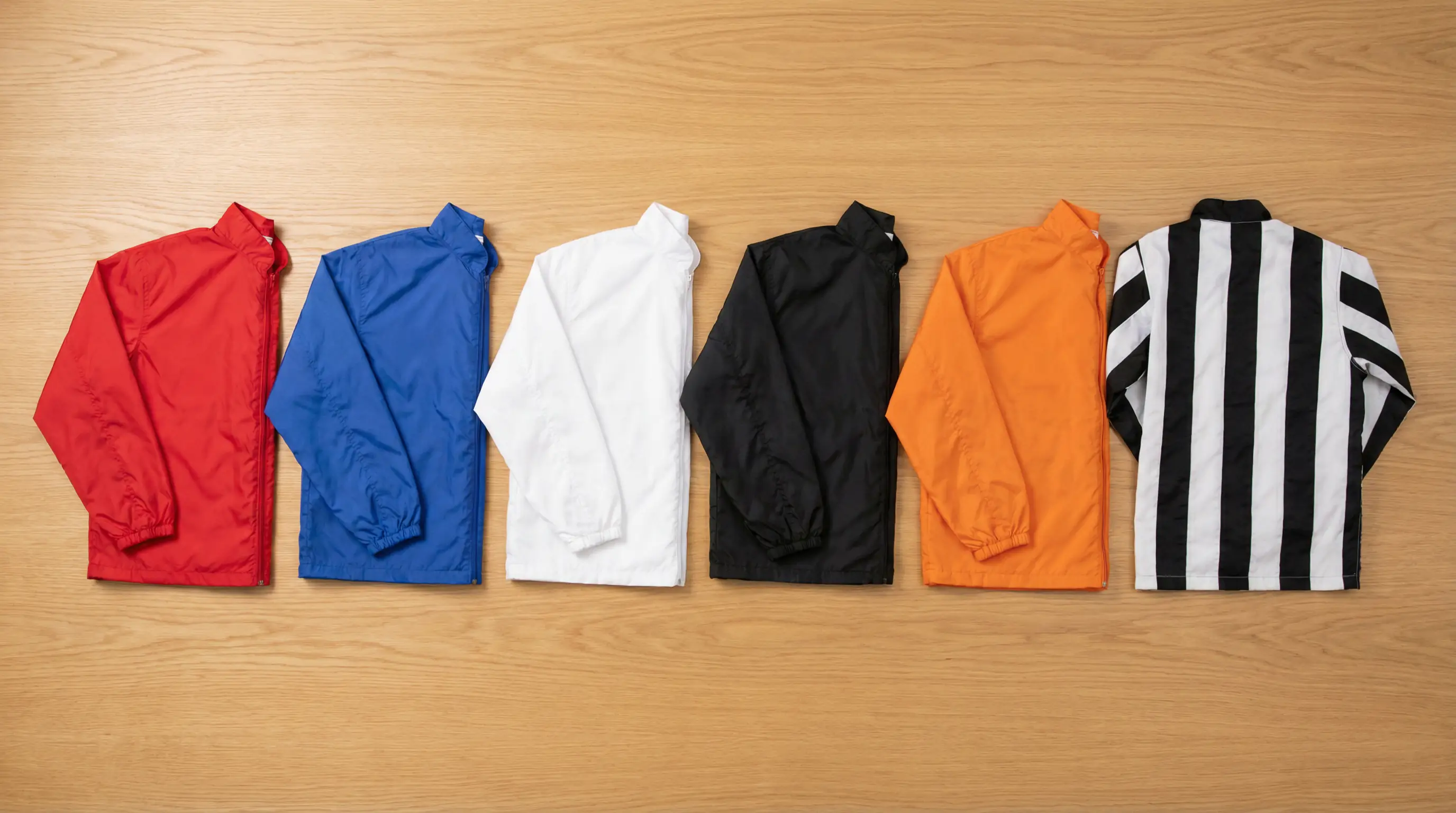
Every greyhound that breaks from a starting trap wears a numbered jacket in a specific colour. Red, blue, white, black, orange, and black-and-white stripes — the sequence is standardised across every licensed track in the UK, and it’s one of the first things a newcomer to the sport notices. The colours are vivid, deliberately distinct, and designed to make it possible to follow individual dogs as they race at speeds reaching up to forty-five miles per hour (Guinness World Records) around bends where the field compresses into a blur of muscle and sand.
But the colours aren’t just visual aids for spectators. For bettors, trap colours are shorthand for trap numbers, and trap numbers carry analytical weight. The trap a dog is drawn in shapes its path to the first bend, its interaction with adjacent runners, and — depending on the track — its statistical probability of winning. This article covers what each colour represents, why the system exists, how reserve runners fit in, and what the connection between trap position and running style means in practice.
The Six Trap Colours
The colour system follows a fixed order from trap one to trap six. It doesn’t change between tracks, between race distances, or between grades. Learn it once and it applies everywhere in UK greyhound racing (GBGB Rule 118 — Racing Jackets).
Trap one is red. The innermost position, closest to the inside rail. Dogs drawn here have the shortest path to the first bend and, at many tracks, a statistical advantage in sprint races where that short path translates directly into a positional lead.
Trap two is blue. Adjacent to the rail runner, trap two offers a slightly longer path to the bend but still favours dogs that prefer to race on or near the inside. Railers drawn in trap two can tuck in behind or alongside the trap one dog and reach the rail within a stride or two.
Trap three is white. The first of the two middle positions. Dogs in trap three are typically classified as middle runners — neither committed to the rail nor looking to swing wide. The white jacket is often the most tactically flexible position, but also the most dependent on what the dogs either side of it do.
Trap four is black. The second middle trap, mirroring trap three on the outer side of centre. Trap four dogs face similar dynamics to trap three runners, but with a slight bias towards the wider part of the track as the field compresses into the first bend.
Trap five is orange. The first of the two outside positions. Dogs drawn here typically have a wide-running preference and need space on the outer part of the track to run their race. The orange jacket benefits from open ground to the outside but has a longer path around every bend.
Trap six is black-and-white stripes. The widest starting position. Dogs in the striped jacket are usually confirmed wide runners who prefer to race on the outside of the field. At tracks with tight bends and short run-ups to the first turn, trap six can be a disadvantage simply because of the extra distance involved. At tracks with wider, more sweeping geometry, the outside draw is less penalising.
Why Colours Matter for Spectators and Bettors
For spectators watching live — whether at the track or on a stream — the colours are the primary way of identifying individual dogs during the race. At racing pace, reading a number on a moving jacket is nearly impossible. Colours solve that problem. You can follow the red jacket hugging the rail, the orange jacket swinging wide, the blue jacket challenging on the inside. The system turns a high-speed event into something visually trackable, which is part of the reason greyhound racing has always worked as a spectator sport despite the brevity of each race.
For bettors, the colours function as instant shorthand. When someone says “I fancy the black,” they mean trap four. When a commentator calls “the red leads into the first bend,” that’s trap one. The colour language is embedded in how the sport is discussed, broadcast, and analysed. It’s a small thing, but fluency in it removes a layer of translation that slows down your processing of live information — and in a sport where markets close within minutes and races last thirty seconds, speed of comprehension matters.
The colours also serve a regulatory function. Because each trap has a unique colour and the jackets are provided by the track, there’s no ambiguity about which dog ran from which position. This is important for the official result, for photo-finish adjudication, and for the integrity of the betting market. When a race is reviewed, the colours on the recording match the trap allocation on the racecard. It’s a simple system that eliminates identification disputes.
Reserve Runners and the Striped Jacket
Every graded greyhound meeting nominates reserve runners — dogs that are on standby to replace any declared runner that is withdrawn before the race. Reserves are assigned trap positions and jacket colours that correspond to the trap they would inherit if called upon. In practice, reserves typically slot into the specific trap vacated by the withdrawn dog, wearing the jacket colour of that position.
On the racecard, reserves are usually marked with an “R” designation next to their name and trap number. The reserve system exists to maintain full six-dog fields, which is important both for the competitive integrity of each race and for the betting market. A race with five runners instead of six changes the dynamics materially — fewer dogs means less crowding, different place terms in some markets, and altered probabilities across the board. Replacing withdrawn runners with reserves preserves the standard field size.
For bettors, a reserve stepping in is a significant piece of late information. The reserve dog may have been prepared to race at that meeting but wasn’t originally in the field — which means its form may be current and its fitness appropriate, but you had less time to assess it in the context of this specific race. Late replacements also change the trap draw dynamics for every other dog in the field. If a fast-starting railer is withdrawn from trap one and replaced by a reserve with a different running style, the adjacent dogs in traps two and three face a different first-bend scenario than the racecard originally suggested. Checking for reserve replacements before placing a bet is a basic but frequently overlooked step in pre-race analysis.
Trap Colour and Running Style Correlation
There’s a built-in correlation between trap colour and running style, because racing managers assign traps based on how a dog prefers to race. Railers go inside (red, blue). Wide runners go outside (orange, stripes). Middle runners sit in the centre (white, black). The correlation isn’t accidental — it’s the system working as designed.
This means that when you see a red jacket on the track, you’re almost certainly watching a dog that prefers to race on the rail. When you see the striped jacket swinging wide around a bend, that’s a confirmed wide runner in its natural position. The colours become a visual language for running style, and experienced spectators read that language in real time. The red jacket hugging the rail into the first bend, the orange jacket taking the long way round, the white jacket sitting mid-pack waiting for a gap — each colour tells a story about the dog’s approach to the race before you consult a single line of form.
The exceptions are worth noting. Sometimes a dog is drawn out of its preferred position because no suitable trap was available in the ideal slot. A railer in trap four (black) or a wide runner in trap two (blue) is racing against type, and those mismatches are where the colour system can mislead. The colour tells you the starting position. The form tells you whether the dog is comfortable there. When the two align, the colour is a reliable indicator of what to expect. When they don’t, the form data overrides the visual cue.
Over time, regular bettors develop an intuitive sense for which colours to watch at specific tracks. If trap one has a high win rate at a particular venue — common at tracks with a short run to the first bend — then the red jacket becomes a focal point. At tracks where the outside draw is less penalising, the striped jacket demands more attention. The colours don’t change the analysis, but they make it faster to process visually, which matters when you’re watching races in real time and making decisions on the move.
Six Jackets, Six Stories
Six colours. Six starting positions. Six different paths to the first bend and six different stories unfolding at forty miles per hour. The trap colour system is one of the simplest elements of greyhound racing, and it’s easy to take it for granted once you’ve been watching for a while. But for anyone starting out, committing the sequence to memory — red, blue, white, black, orange, stripes — is the entry ticket to following the sport visually.
Beyond identification, the colours encode information. They tell you where a dog is starting, and because of how traps are allocated, they hint at how the dog prefers to race. That’s not a deep analytical insight on its own, but it’s the first piece of context you absorb when watching a race, and context is how understanding builds. The form card gives you the data. The colours give you the picture. Combine the two and you’re reading the race, not just watching it.